On Wednesday, 1 July. Australia is introducing strict new anti-scam laws that fundamentally alter how we receive text messages, and a staggering number of organizations are completely unprepared.
Let’s break down what this major shift means for your daily life, how it compares to standard spam filters, and why your favorite local cafe or dentist needs to jump on a government website immediately.
What is a Sender ID and Why Do We Need a Registry?
When a large business or government agency sends you a text, you rarely see a standard mobile number. Instead, you see a crisp, readable name like “AusPost”, “myGov”, or “Med-Appt”. This is called an alphanumeric sender ID.
Historically, this system operated on a bit of an honor policy, which scammers ruthlessly exploited. A malicious actor could easily spoof the “AusPost” tag, injecting a fraudulent phishing link directly into your genuine, existing message thread from the real postal service. In the last year alone, Australians lost nearly $18 million to these incredibly convincing text scams.
To combat this, the Australian Communications and Media Authority (ACMA) has built the SMS Sender ID Register. Think of it as a secure VIP guest list for text messaging. If a business wants to use its name at the top of a text, it has to prove who it is and register that specific name.
A Vodafone spokesperson said the risk is immediate if businesses don’t act now and register: “Australians could start missing critical messages like medical reminders and school alerts from 1 July if businesses don’t act now.
“Australians rely on text messages every day for important updates whether it’s a medical appointment, a bill or a school alert and those messages could stop getting through if businesses don’t register their sender IDs.
“From 1 July, unregistered texts are far more likely to be flagged as unverified and ignored or deleted.
“We’re urging businesses to register as soon as possible so Australians don’t miss the messages they rely on.”
Mechanics: The Good, the Bad, and the “Unverified”
The system itself is beautifully simple in concept, but the execution creates a massive hurdle for negligent businesses.
- The Good: If a business registers, its texts will arrive safely, cleanly, and individually, giving you instant confidence that the message is authentic. Scammers will no longer be able to hijack registered names, drastically reducing successful impersonation scams.
- The Bad: The penalty for missing the deadline is brutal. If an organization fails to register by 1 July, its brand name is instantly stripped from the message. It is automatically replaced with the generic title “Unverified”.
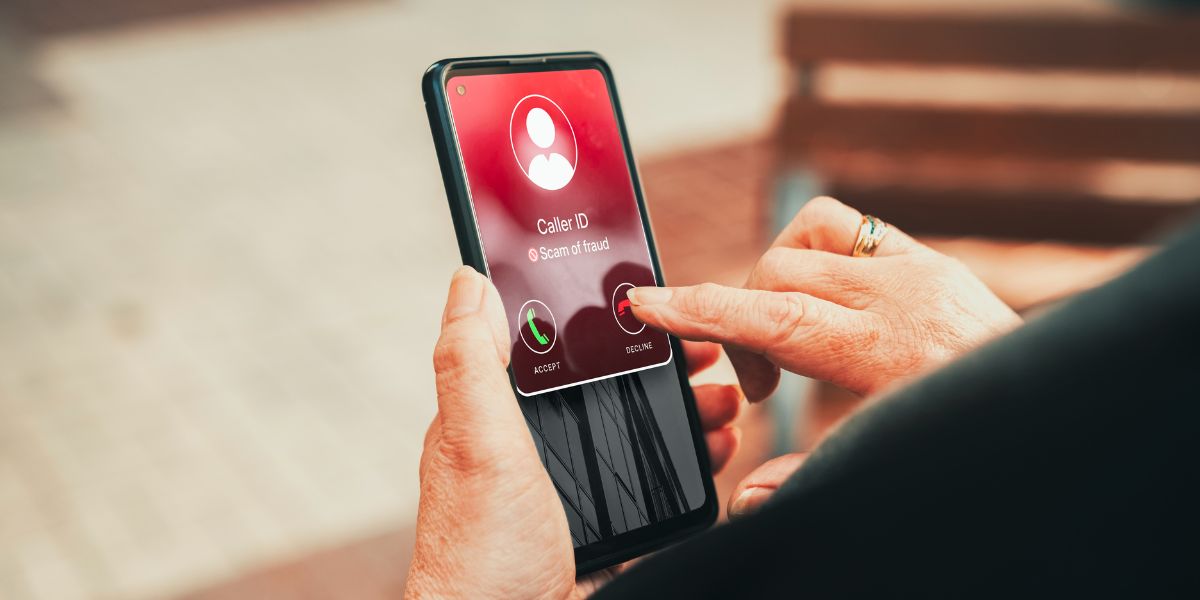
- The Ugly: To make matters worse, your phone will bundle every single text from every single unregistered business into one single, massive, continuous message thread.
Imagine your dental reminders, school sports updates, gym cancellation notices, and actual, literal scam messages all jostling for attention inside the exact same text chain. It creates a digital graveyard where critical updates go to die, as most sensible consumers will simply delete the entire thread out of habit.
According to data from ACMA, a worrying 80 per cent of Australian businesses and organizations have still not registered. Major telecom providers like Vodafone are sounding the alarm, warning that everyday life could get incredibly disjointed if a massive wave of registrations does not happen immediately.
How It Stacks Up Against Traditional Filters
We are all familiar with traditional spam blocker, the quiet folders in our email or the built-in pixel filters that label incoming calls as “Potential Spam”.
| Feature | Traditional Spam Filters | The New SMS Sender ID Registry |
| How it identifies threats | Guesses based on keywords, links, and reporting history. | Strict identity verification against the Australian Business Register (ABR). |
| Where the message goes | Sent to a hidden spam folder or blocked entirely. | Lands in your main inbox, but stripped of its name and pooled into an “Unverified” thread. |
| Room for error | High. Genuine emails frequently get lost in spam folders. | Absolute. If a business is not registered, it is automatically demoted, no exceptions. |
While traditional filtering feels like a game of cat-and-mouse, the new registry acts more like a security guard at a private venue. If your name is not on the door, you do not get the premium treatment.
How Businesses Can Save Themselves (and Their Customers)
If you run an organization that relies on texting customers, do not panic, but do move quickly. Fixing this requires a brief trip through government administration:
How businesses can update their details and complete registration:
- Check your ABR details:
Make sure your business information on the Australian Business Register (ABR) is current. This is how your identity is verified. - Log in to update your information:
Go to abr.gov.au, select Update your ABN details, and log in using your Digital ID linked to your ABN. - Update authorised contacts:
Add, remove or edit the ‘authorised contact’ or ‘service of notice’ email addresses to ensure the right people can approve the registration. - Submit your changes:
Save and submit your updated details on the ABR. - Complete sender ID registration:
Reach out to your sender ID provider to register your business. Once your telco submits your sender ID application, check your email and confirm the request. Only authorised contacts listed on the ABR can do this.
A Necessary but Painful Upgrade
Living through the era of rampant text scams has been exhausting, and this structural shift is exactly the kind of robust engineering Australia needs to clean up our mobile networks. For consumers, this is a massive win that restores trust to our text inboxes.
However, the transition is going to be incredibly messy. Expect a chaotic few weeks after 1 July where you will likely have to hunt through the “Unverified” pile for legitimate messages from businesses that simply slept through the memo.