A new national study has revealed an estimated 1.7 million Australians are susceptible to measles, raising concerns about potential outbreaks across the country.
Anyone not fully vaccinated is at risk, particularly babies, people with reduced immunity, and unvaccinated pregnant women. Health authorities emphasise vaccination remains the best protection.
Research from the National Centre for Immunisation Research and Surveillance, published in the Australian and New Zealand Journal of Public Health, found nearly 7% of the population lacked protection against the highly contagious virus based on 2019 data. Overall measles immunity sits at 93.3%, right at the lower end of the World Health Organisation’s 93–95% target for herd immunity.
Lead author Zoë Croker said susceptibility is particularly high among certain age groups born from the late 1970s onwards:
“The concern is that there will be more measles outbreaks that will be harder to contain,” she said. “We’ll start to see more cases and a higher chance of there being a death associated.”
The study combined blood sample testing with vaccination records and is described as the most comprehensive national estimate available. It identified elevated vulnerability among infants and young children (who are not routinely vaccinated until 12 months), people aged 42–49, those aged 31–33, and 25–26-year-olds. Gaps stem from historical changes in immunisation programs, including the introduction of the second dose of measles-containing vaccine and periods when some people received only a single dose or none at all.
Epidemiologist Professor Adrian Esterman from Adelaide University called the findings a clear warning:
“That is not good enough. That means that we are at risk of getting major measles outbreaks,” he said. “We don’t really want it to get any worse.”
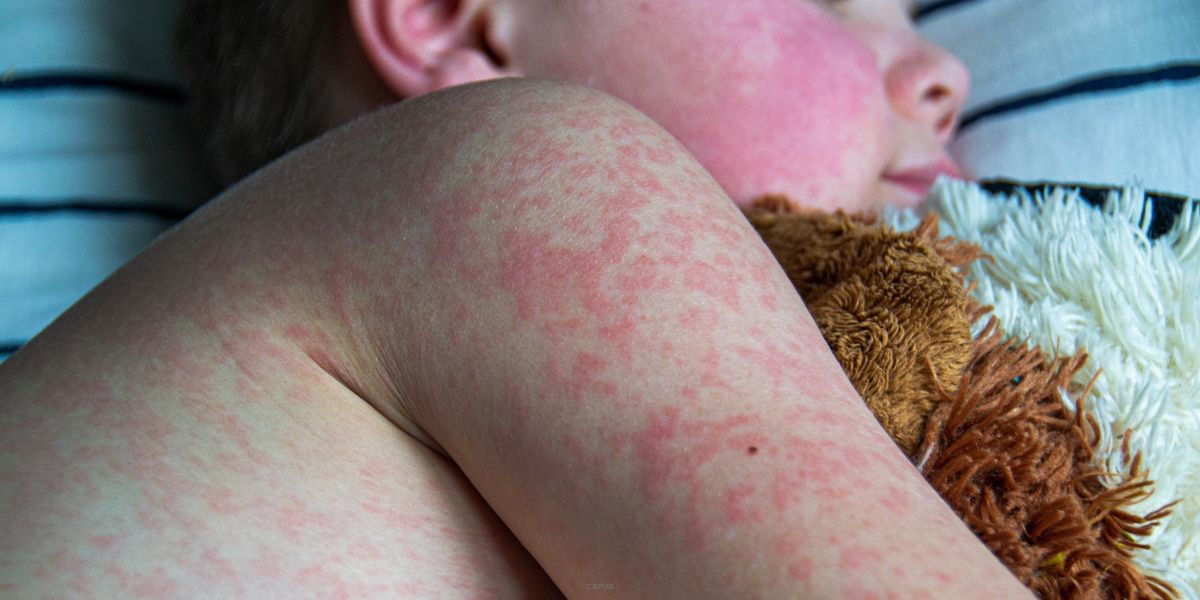
A single infectious person can quickly spread it to 12–15 others in a room of unprotected people. Symptoms include fever, cough, red eyes and a blotchy rash, with possible serious complications such as pneumonia or encephalitis.
Australia eliminated measles in 2014 but still sees imported cases from overseas travellers and returning residents. Cases dropped sharply during the pandemic but have risen again in the past two years. Childhood vaccination coverage has also declined for a fifth consecutive year, meaning the study may underestimate current susceptibility.
National Centre for Immunisation Research and Surveillance Associate Director Frank Beard urged travellers to check their records:
“We’d strongly encourage people in the current climate of increasing global outbreaks of measles to check records of measles vaccination. If they haven’t had good evidence that they previously received two doses at any time, then we strongly encourage them to get vaccinated again.”
Adults in the higher-risk age groups are also being advised to consider an additional dose. Professor Esterman noted many recent cases involve people aged 20–40 who contracted measles while travelling in Asia, including the Philippines, Vietnam and Thailand, then brought it home.
If herd immunity falls below 93 per cent, public health teams will find it harder to contain every case, increasing the chance of wider circulation in communities with lower coverage.