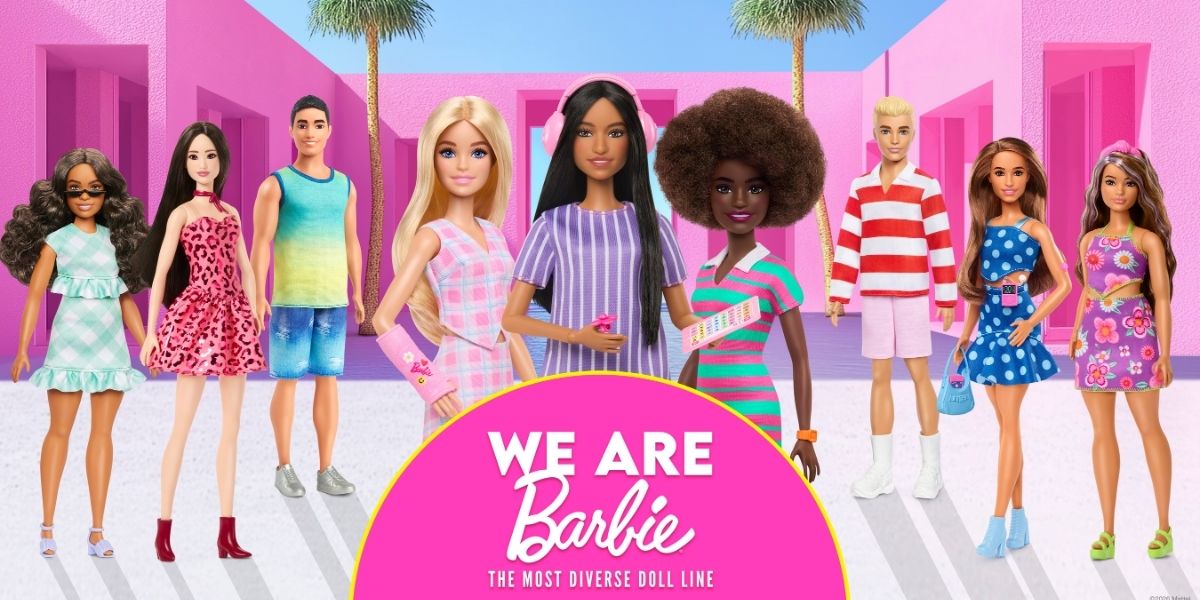
It is 2026, and the world of Barbie is looking more like the real world than ever before. We have seen Barbies with prosthetic limbs, dolls that use wheelchairs, and even a Barbie with a glucose monitor for those living with Type 1 diabetes. But the latest addition to the Barbie Fashionistas line might just be one of the most thoughtful yet.
Mattel has officially introduced the first-ever autistic Barbie doll, and it is far more than just a marketing milestone. Developed over 18 months in a deep-dive partnership with the Autistic Self Advocacy Network (ASAN), this doll is a created with amazing intentional design.
Design with a Purpose
What makes this doll stand out isn’t just what she comes with, but how she is built. If you have ever spent time in the neurodivergent community, you will know that “stimming” (self-stimulatory behaviour) is a vital part of many people’s lives. To reflect this, Mattel gave this Barbie articulated elbows and wrists, allowing her to mimic hand-flapping or other gestures used to process sensory information.
Even her “eye gaze” has been reconsidered. Rather than the traditional fixed stare, her eyes are shifted slightly to the side, a subtle nod to the fact that many autistic individuals find direct eye contact overwhelming.
The Accessories We Actually Use
The autistic Barbie comes with a toolkit that will look very familiar to many families:
- A Fidget Spinner: And yes, it actually spins. It’s designed as a sensory outlet to help with focus and stress.
- Noise-Cancelling Headphones: A stylish pink pair sits on her head, representing a common tool used to navigate loud or overstimulating environments.
- A Communication Tablet: The tablet features symbol-based Augmentative and Alternative Communication (AAC) apps, acknowledging the diverse ways people communicate beyond speech.
Sensory-Friendly Fashion
Anyone who has ever had a “meltdown” over a scratchy clothing tag will appreciate the fashion choices here. This Barbie wears a loose-fitting, purple pinstripe A-line dress. The fabric is flowy to minimize skin contact, and she has traded the classic stilettos for flat purple shoes to help with stability and movement.
Why This Matters
For years, the catchphrase “You can’t be what you can’t see” has driven Barbie’s evolution. But as ASAN Executive Director Colin Killick points out, this is about authentic, joyful representation. It’s about a little girl looking at a toy and seeing her own headphones, her own tablet, and her own way of moving reflected back at her.
While no single doll can represent the entire “spectrum” (and the internet has already had its say on thatthe consensus) from advocates like Madison Marilla and Ellie Middleton it is clear that this is a massive step toward making neurodivergence feel “normal” rather than “othered”.
This is a Toy that isn’t just about fun; it’s about empathy. And in a world that can often feel a bit too loud and a bit too bright, having a friend who understands the value of a good pair of headphones is a win for everyone.